Yacht electrical services in Bergen County, NJ cover two very different jobs that get lumped together constantly: the onboard marine systems inside your hull, and the shore-side electrical infrastructure at the dock, pedestal, and marina panel. Knowing which is which saves you from hiring the wrong contractor and paying twice. This guide breaks down what's included, what it costs, and how to vet whoever you call next.
Two Sides of "Yacht Electrical Work" — and Why the Difference Matters
Most articles on this topic treat yacht electrical service as one job. It isn't.
Onboard systems are everything inside the hull: battery banks, inverters, DC/AC distribution, navigation electronics, and underwater lighting. This work typically falls to a marine specialist trained in ABYC standards for things like tinned marine-grade wire, bonding, and ignition protection near fuel systems.
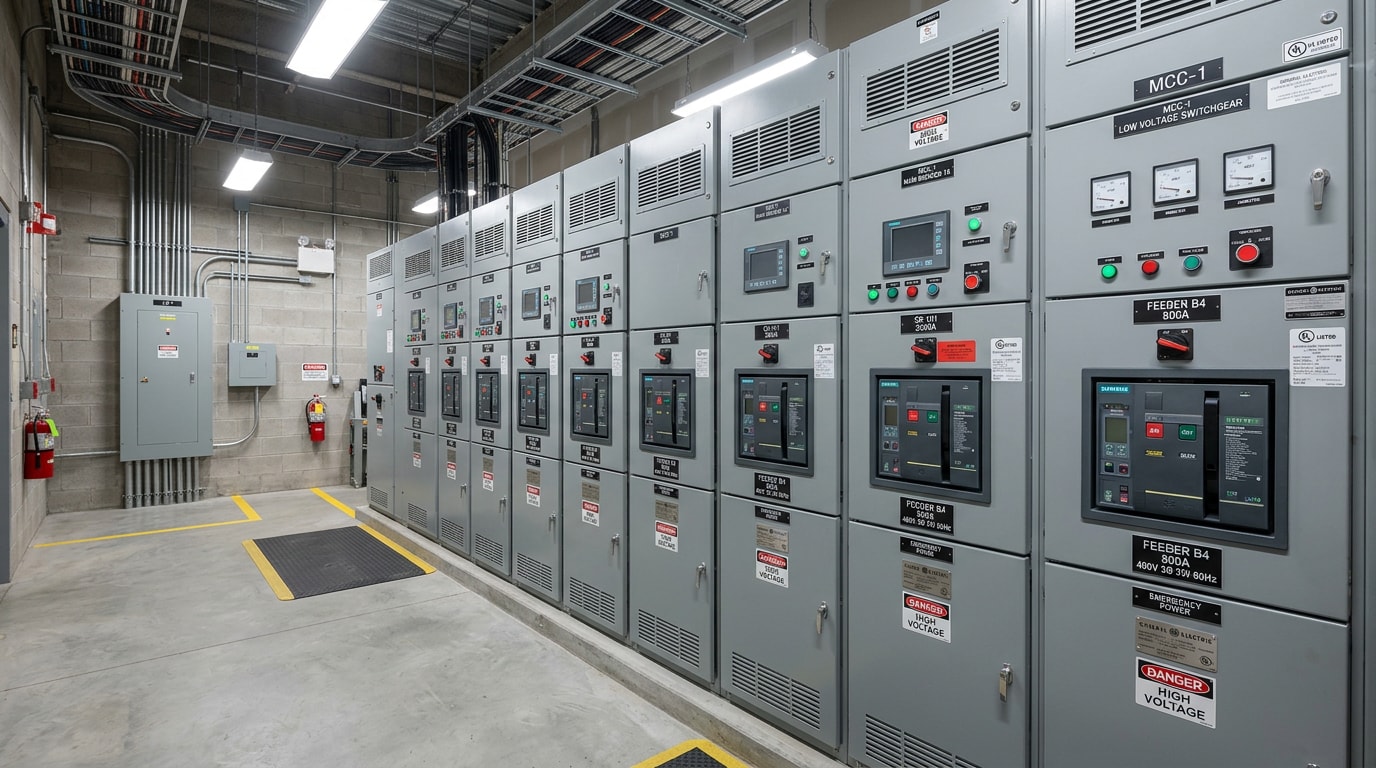
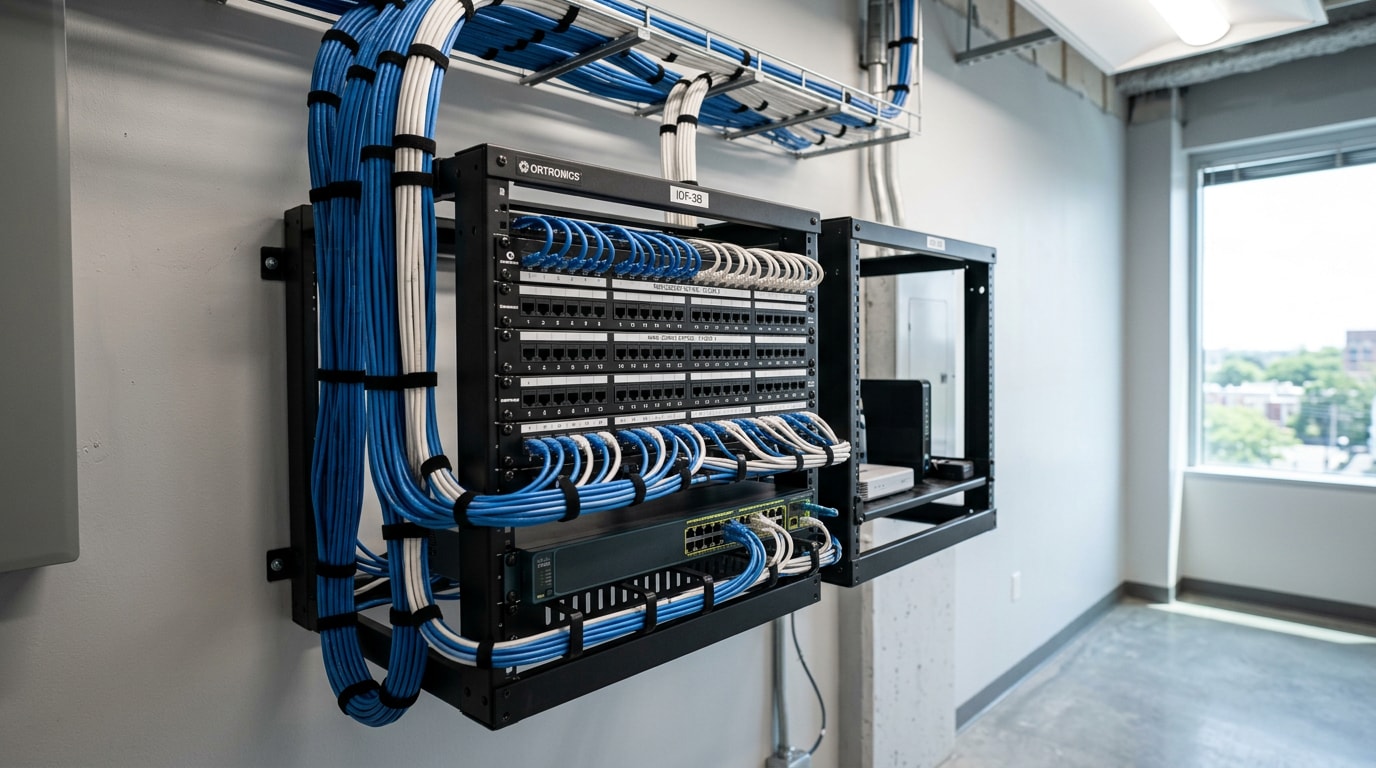
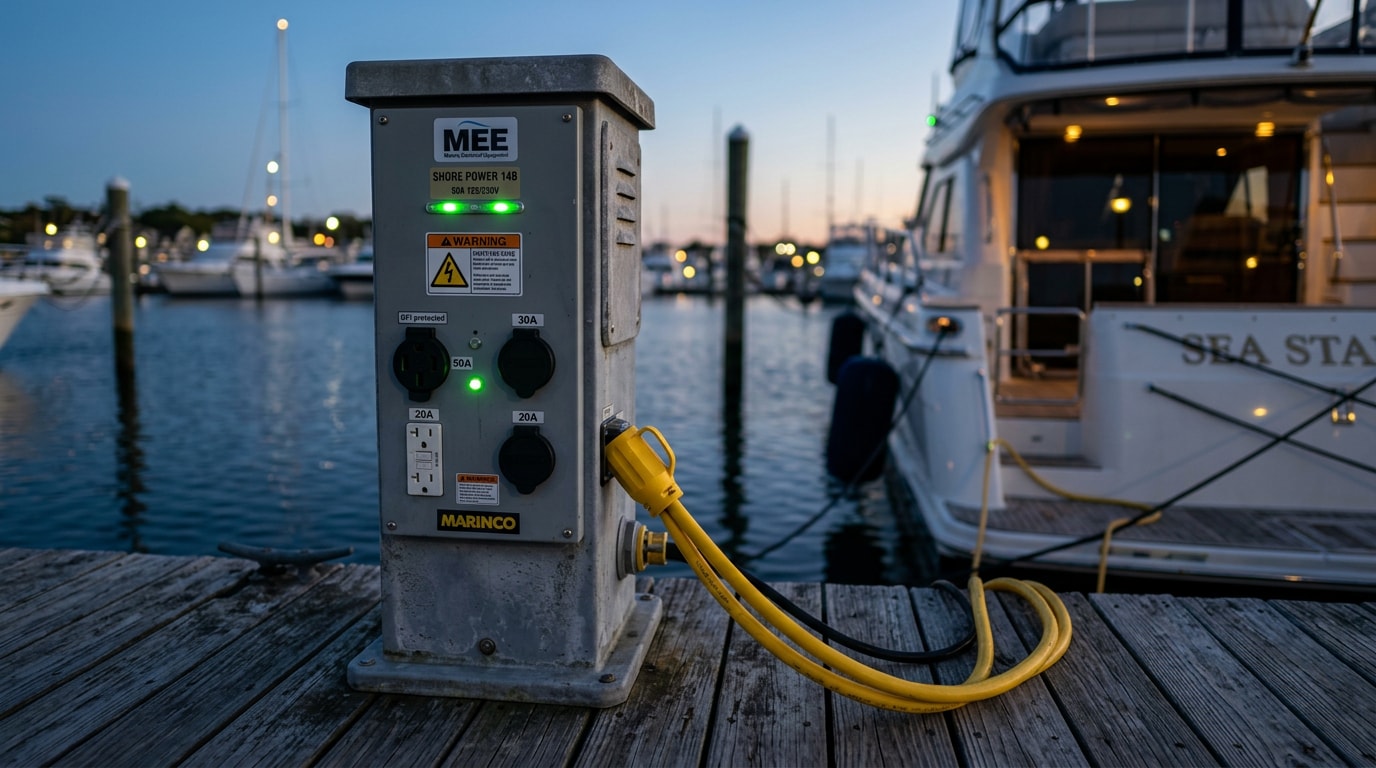
Shore-side infrastructure is everything between the boat and the grid: marina electrical panels, subpanels feeding individual slips, dock pedestals, GFCI/ELCI protection, and the wiring that runs through a boatyard or yacht club building. This is standard electrical contracting work, governed by the same New Jersey Uniform Construction Code that applies to any commercial property, and it's where a licensed New Jersey electrical contractor is the right call, not a hull specialist.
In New Jersey, a state board licenses and regulates electrical contractors, registers qualified journeyman electricians, and oversees electrical contracting work across the state . That licensing requirement applies to marina panels, dock subpanels, and clubhouse wiring the same way it applies to a house. Onboard marine electrical work, by contrast, has no equivalent mandatory license. Because there is no mandatory certification for marine electrical work the way there is for land-based electricians, ABYC built a voluntary certification process based on industry best practices and Coast Guard regulations .
That gap is exactly why so many boat owners in Bergen County end up with mismatched contractors: a residential electrician who's never seen a bonding system, or a marine tech who isn't licensed to touch the marina's main panel.
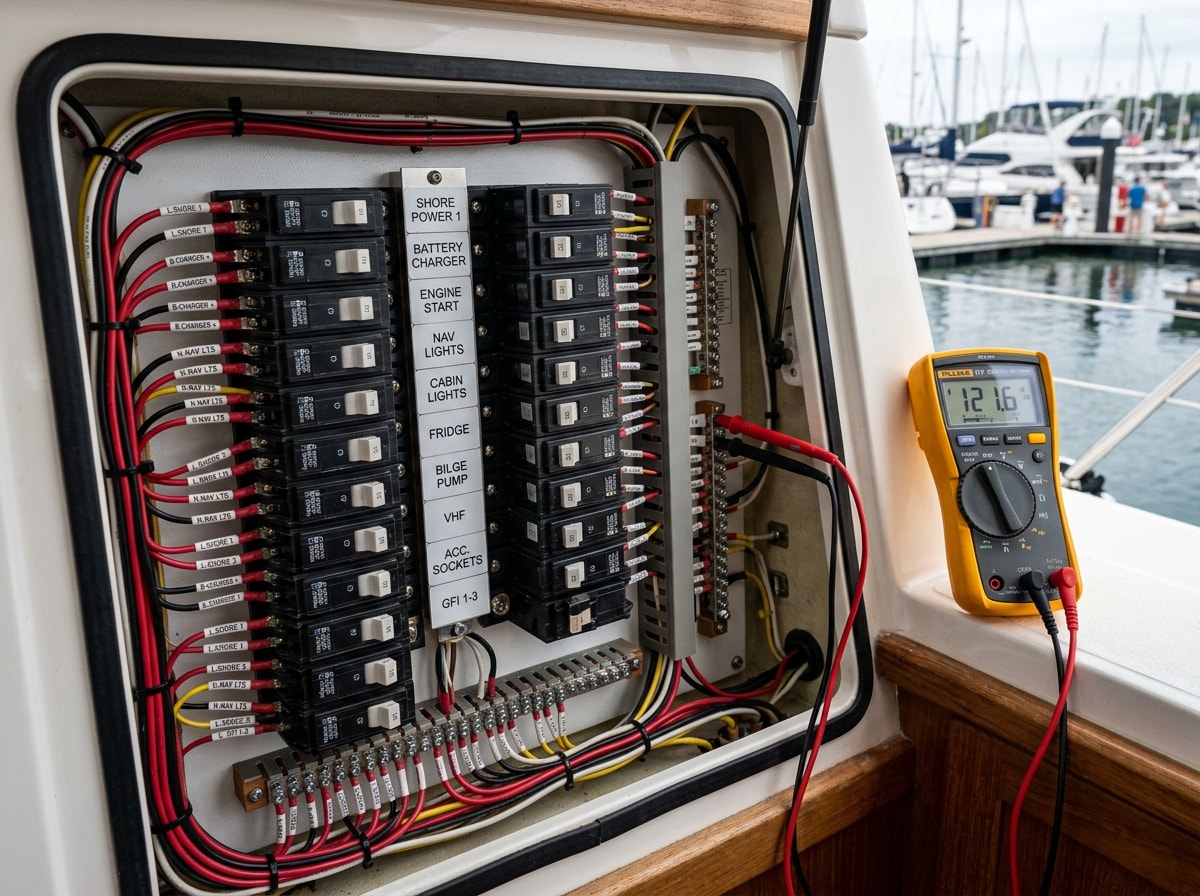
What's Actually Included in Yacht Electrical Service
A full-scope job typically touches:
- Battery banks, chargers, and inverter systems
- Shore power cords, inlets, and connections
- AC and DC distribution panels and circuit breakers
- Navigation lighting, cabin lighting, and underwater LED fixtures
- Bonding and grounding systems between metal components
- Marina-side infrastructure: dock pedestals, subpanels, and feeder wiring
Most boats run two completely separate electrical systems at once — DC from the batteries, AC from shore power or a generator — and owners often don't realize it until one of them fails. Any technician working on either side needs to understand how they interact, especially at the shore power connection point where both systems meet.
Why Marine Electrical Safety Checks Matter
A failing electrical system on a boat isn't a minor inconvenience. It's a documented cause of fires, equipment failures, and in rare cases, sinkings. The Coast Guard tracks electrical shock and fire/explosion incidents as distinct categories in its annual national boating safety report. In 2024, the Coast Guard verified 3,887 recreational boating incidents nationwide, involving 556 deaths, 2,170 injuries, and approximately $88 million in property damage , with electrical shock and fire or explosion tied to vessel equipment listed among the tracked incident types.
Fire safety requirements for boat electrical systems are also codified outside the Coast Guard. The National Fire Protection Association's standard for pleasure and commercial motor craft sets minimum requirements covering electrical system installation, ignition source elimination, and carbon monoxide mitigation on vessels under 300 gross tons, and it was most recently updated to address lithium-ion battery risks and higher-voltage systems now common on larger recreational boats.
Common Electrical Issues on Boats
Corrosion, loose connections, worn insulation, and overloaded circuits cause most marine electrical failures:
- Saltwater and brackish water corrosion attacks metal terminals and connectors, quietly raising resistance until a circuit fails outright.
- Loose connections from vibration work themselves apart over seasons of engine heat and wave motion.
- Overloaded circuits happen when owners add electronics, lighting, or charging equipment faster than the panel was designed to handle.
None of these show obvious warning signs until something trips, shorts, or stops working entirely.
How Often Should You Get a Marine Electrical Safety Check?
Most recreational boats need an annual inspection at minimum. Add a check before any long voyage, especially ahead of rough-weather conditions, and after any repair or modification to confirm the new work doesn't conflict with existing wiring or overload a shared circuit.
If you also own property with the vessel, an electrical inspection of the shore-side panel feeding your dock is worth scheduling on the same timeline. We cover what that process looks like in more detail in our guide to electrical inspections in Passaic County, and the same inspection logic applies to marina and boatyard panels in Bergen County.
Costs of Yacht Electrical Service
Pricing depends heavily on which side of the job you're on. National ranges for onboard marine electrical work:
| Service | Typical Cost Range |
|---|---|
| Battery replacement (plus installation) | $150–$500 + $100–$300 labor |
| Electrical panel upgrade | $500–$3,000 |
| Wiring repair | $150–$500 |
| Full rewiring | $2,000–$10,000 |
| Shore power installation | $800–$5,000 |
Bergen County numbers tend to run above these national averages. Regional labor rates push costs up, and mobile service calls to inland marinas along the Hackensack River often carry travel surcharges that a flat national price sheet won't reflect.
For shore-side work, such as a marina subpanel installation, a dock electrical panel upgrade, or new wiring installation between a clubhouse and slips, pricing follows standard commercial electrical contracting rates rather than marine labor rates. Ask for a written estimate before work begins either way, and ask the contractor directly which side of the job they're quoting.
Where to Find a Yacht Electrical Service Provider in Bergen County
Boat owners typically find providers through marinas with in-house electricians, boating forums, boat shows, or manufacturer-authorized service centers for brands like Raymarine, Garmin, and Blue Sea Systems.
Bergen County's boating geography is a little different from the Jersey Shore. Most vessels sit at inland marinas and boatyards along the Hackensack River, where brackish, tidal water creates its own corrosion and bonding challenges compared to open-ocean conditions. A search for a local provider should prioritize someone familiar with that tidal river environment specifically — not just general saltwater experience. See our Bergen County service area coverage for the towns and marina corridors we reach directly.
Marina owners and yacht clubs managing shared electrical infrastructure, panel rooms, or multi-slip power distribution are also better served by a contractor with commercial electrical contracting experience, since that work is inspected and permitted differently than a single boat's onboard systems.
How to Choose the Right Yacht Electrical Service Provider
Check Certifications and Licensing
For onboard marine work, the ABYC Marine Electrical Certification is widely recognized as the most credible demonstration of skill in the marine electrical service and installation field . Ask to see it, not just hear about it.
For shore-side or marina infrastructure work, confirm the contractor holds an active New Jersey electrical contractor license through the state's licensing board, the same requirement that applies to any commercial electrical job in the state.
Verify Marine-Specific Experience
A residential electrician knows standard Romex wiring and grounded outlets. A properly trained marine technician verifies tinned marine-grade wire, which resists corrosion far better than standard copper, correct bonding between metal components to prevent galvanic corrosion, and ignition-protected fittings near fuel systems. If a quote doesn't mention any of these, ask why.
Check Track Record and Reviews
Read reviews for insight into reliability and workmanship, and ask for references from boat owners at your specific marina if possible. Local reputation matters more here than a generic star rating.
Compare Service Offerings and Pricing
Some providers offer ongoing maintenance plans; others handle one-off repairs. Ask specifically whether a quote covers onboard systems, shore-side infrastructure, or both, and compare accordingly rather than assuming two quotes are for the same scope of work.
If your project leans toward panel work, subpanel feeds, or general electrical upgrades for a marina or waterfront property, that's squarely within a licensed electrical contractor's scope. Contact us for a free estimate on that side of the job, and we'll tell you upfront if what you need is better handled by an ABYC-certified marine specialist instead.
FAQ
What's the difference between a marine electrician and a regular electrician?
A marine electrician specializes in onboard AC/DC systems, bonding, and corrosion-resistant marine-grade materials, typically backed by voluntary ABYC certification. A licensed electrical contractor handles shore-side infrastructure like marina panels, subpanels, and dock wiring under standard state licensing and code requirements. The two overlap at the shore power connection point.
Can a regular electrician legally work on a boat in New Jersey?
There's no state license requirement specific to onboard marine electrical work the way there is for general electrical contracting. A regular electrician can legally touch a boat, but without marine-specific training in bonding, corrosion, and ignition protection, the work often doesn't meet the safety standard a boat actually needs.
What are the most common causes of boat electrical failures?
Corrosion and loose connections cause the majority of marine electrical issues. Saltwater and brackish water accelerate oxidation on terminals, raising resistance until circuits drop voltage or fail outright.
How much does hiring a licensed marine electrician cost?
Costs vary with project complexity and vessel size, generally running above standard national averages in Bergen County due to regional labor rates and marina travel. Licensed, certified work costs more upfront than unlicensed labor but delivers long-term safety and reliability.
How often should a boat's electrical system be inspected?
Annually at minimum, plus before any long voyage and after any repair or modification. Shore-side panels feeding a dock or slip should be inspected on a similar schedule.
How do I find a licensed electrician near me for marina or dock electrical work?
Start with a contractor's NJ electrical contractor license status, then check reviews and ask about commercial marina experience specifically. For onboard marine systems, look for ABYC certification separately, since it's not the same credential.
Whether your project is a marina subpanel, a dock lighting upgrade, or a full panel replacement, start at NJ Queue Electrical and get a scope-accurate estimate before committing to either side of the job.