Residential electrical installation in Morris County, NJ almost always starts with one of three triggers: an aging panel, a renovation that outgrew the home's wiring, or a new addition like a pool, hot tub, or EV charger. Morris County's housing stock spans 1920s colonials in Morristown to 1990s builds in Randolph and Chatham, so the right installation plan depends on what's already behind your walls. Get that diagnosis wrong and you either overpay for capacity you don't need or undersize a system that trips breakers every winter.
Residential Electrical Installation Services in Morris County, NJ
A full-service residential electrician handles far more than outlet swaps. Installation work typically spans panel upgrades, whole-house rewiring, dedicated circuits, and specialty wiring for pools or hot tubs. Each one addresses a different stage of a home's electrical life, and most Morris County projects touch at least two of them at once.
Panel Upgrades
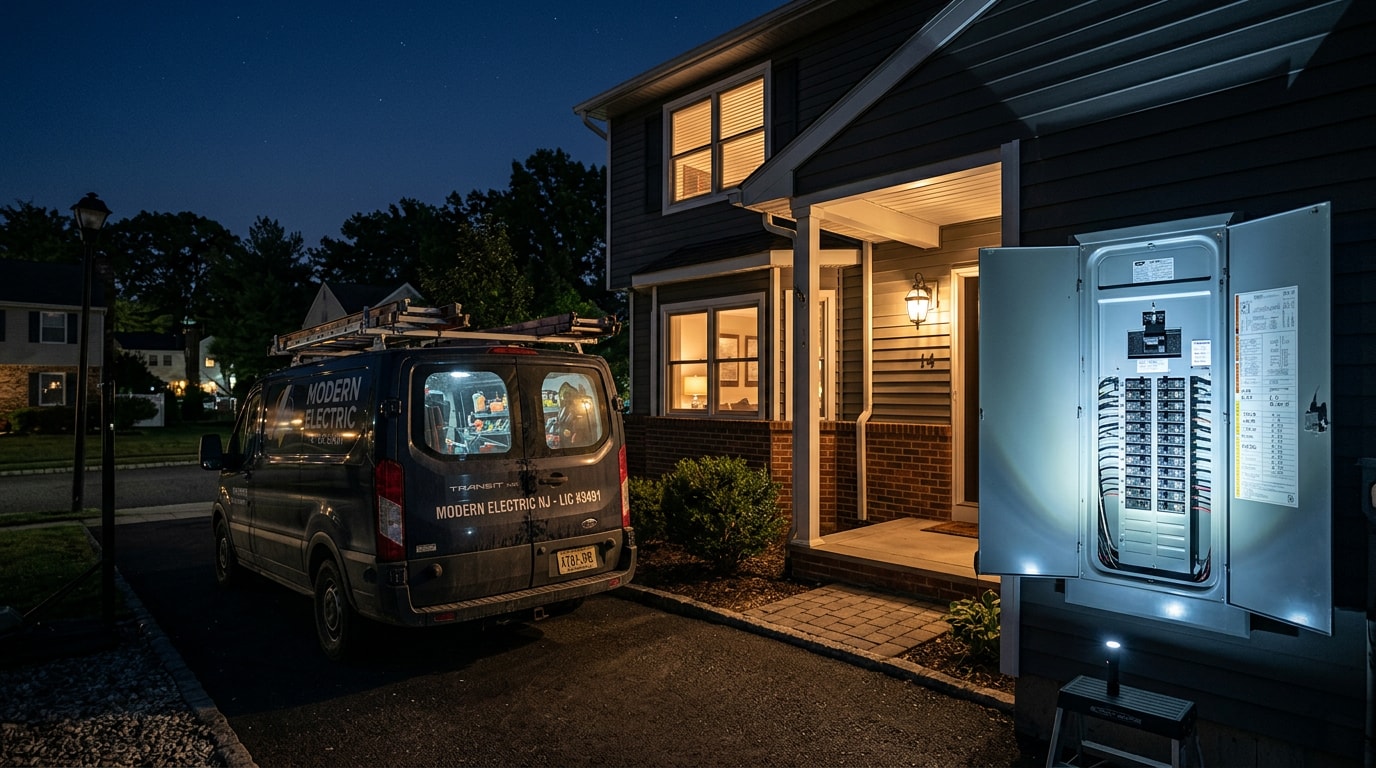
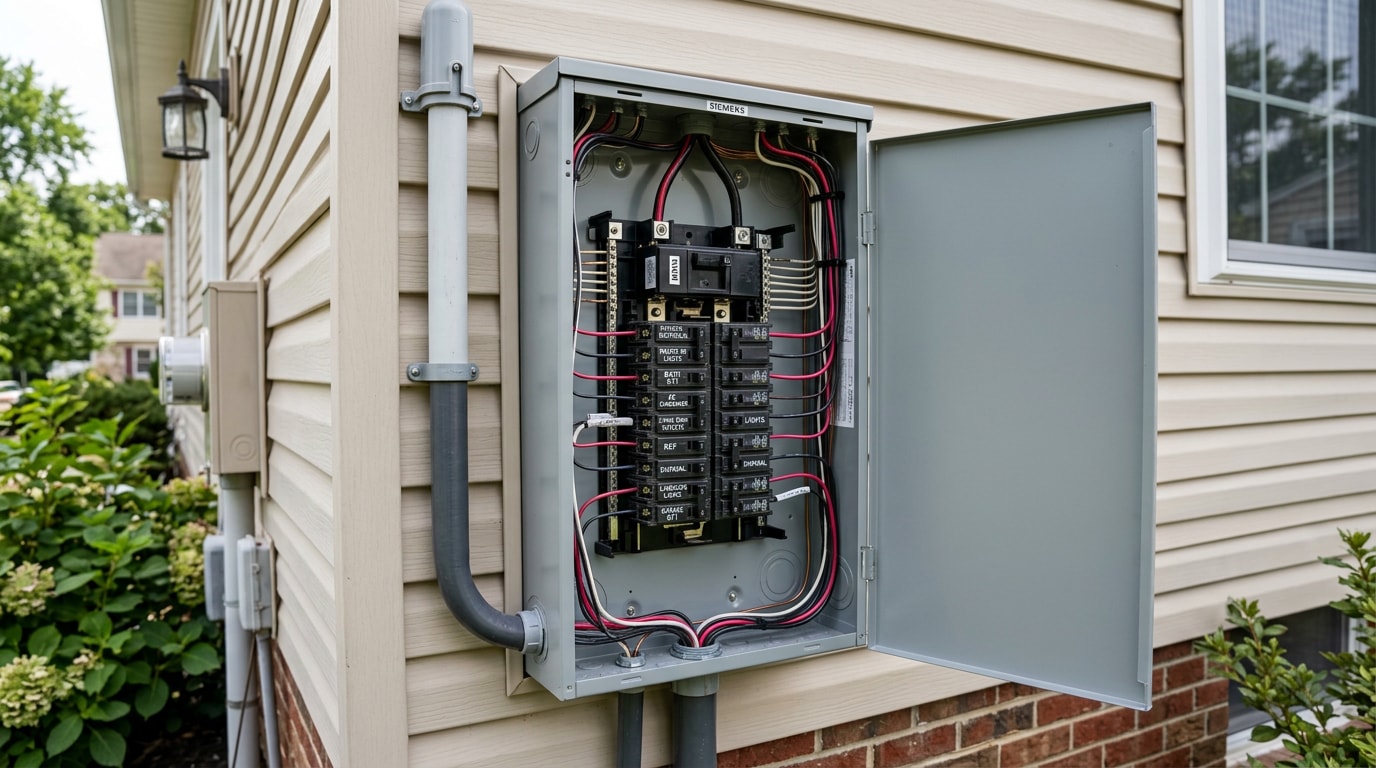
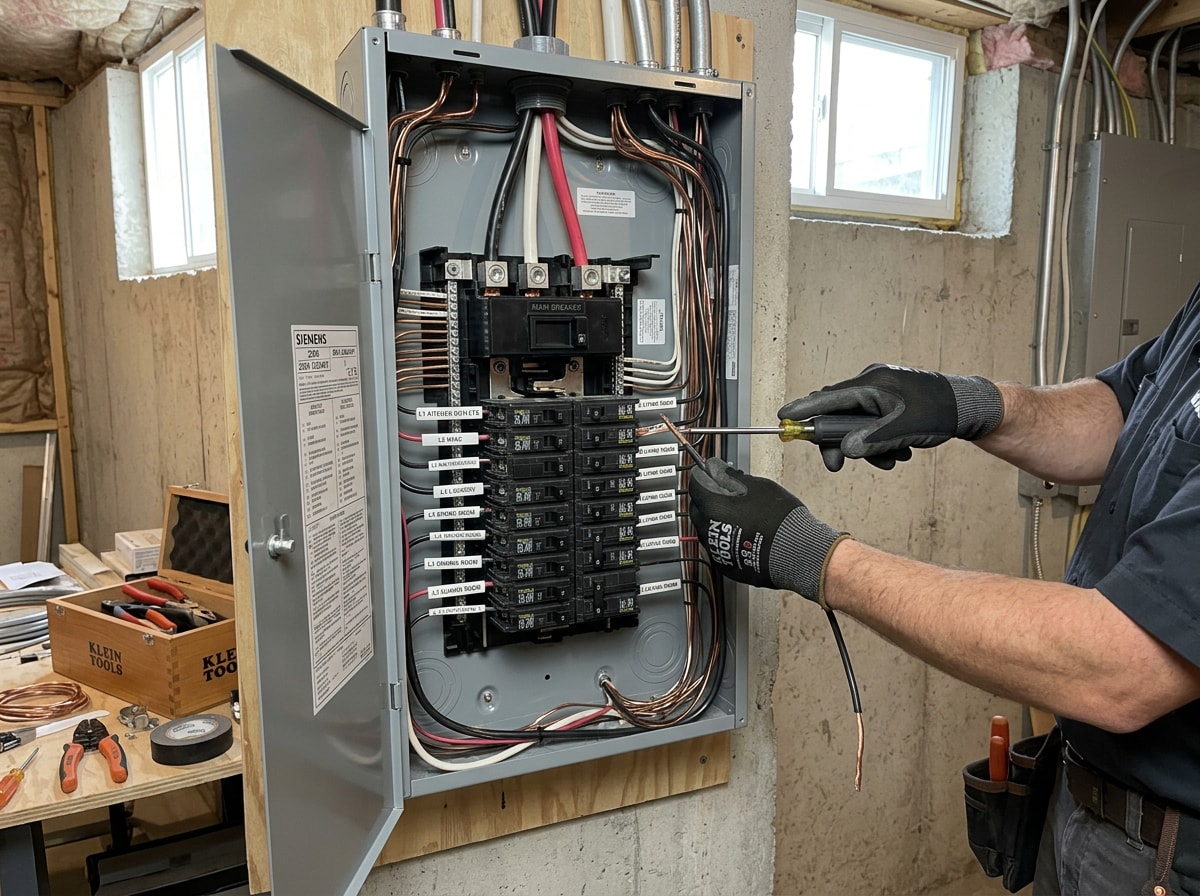
A panel upgrade usually means moving from a 100-amp panel to 200-amp service, or replacing an outdated Federal Pacific or Zinsco panel known for safety issues. It's often the first step before any larger project, since every new circuit draws from that panel's remaining capacity.
Many Morris County homes built before 1960 still run on 60-amp or 100-amp service, which was fine for the appliance load of that era. Older homes usually have 60 or 100 Amps of power, and tend to have less excess power available than newer construction. A qualified electrician evaluates your existing panel before recommending a full electrical panel upgrade or a new electrical panel installation.
| Panel Size | Typically Found In | Handles Today's Loads? |
|---|---|---|
| 60 Amp | Pre-1960s homes | Lighting and basic outlets only; needs upgrade |
| 100 Amp | 1960s–1980s homes | Central AC and standard appliances; tight with EV charging |
| 150 Amp | 1980s–1990s homes | Most modern appliances; workable headroom |
| 200 Amp | New construction or upgraded homes | EV charging, electrification, future additions |
Whole-House Rewiring
A lot of Morris County's older housing stock predates modern code, which means knob-and-tube wiring or old aluminum branch circuits are still active in some homes. Whole-house rewiring replaces this infrastructure with materials and methods that meet current safety standards, which reduces fire risk and supports modern appliance loads. Our new wiring installation service scopes this against your home's age, square footage, and planned renovations before any walls get opened.
Pool & Hot Tub Wiring
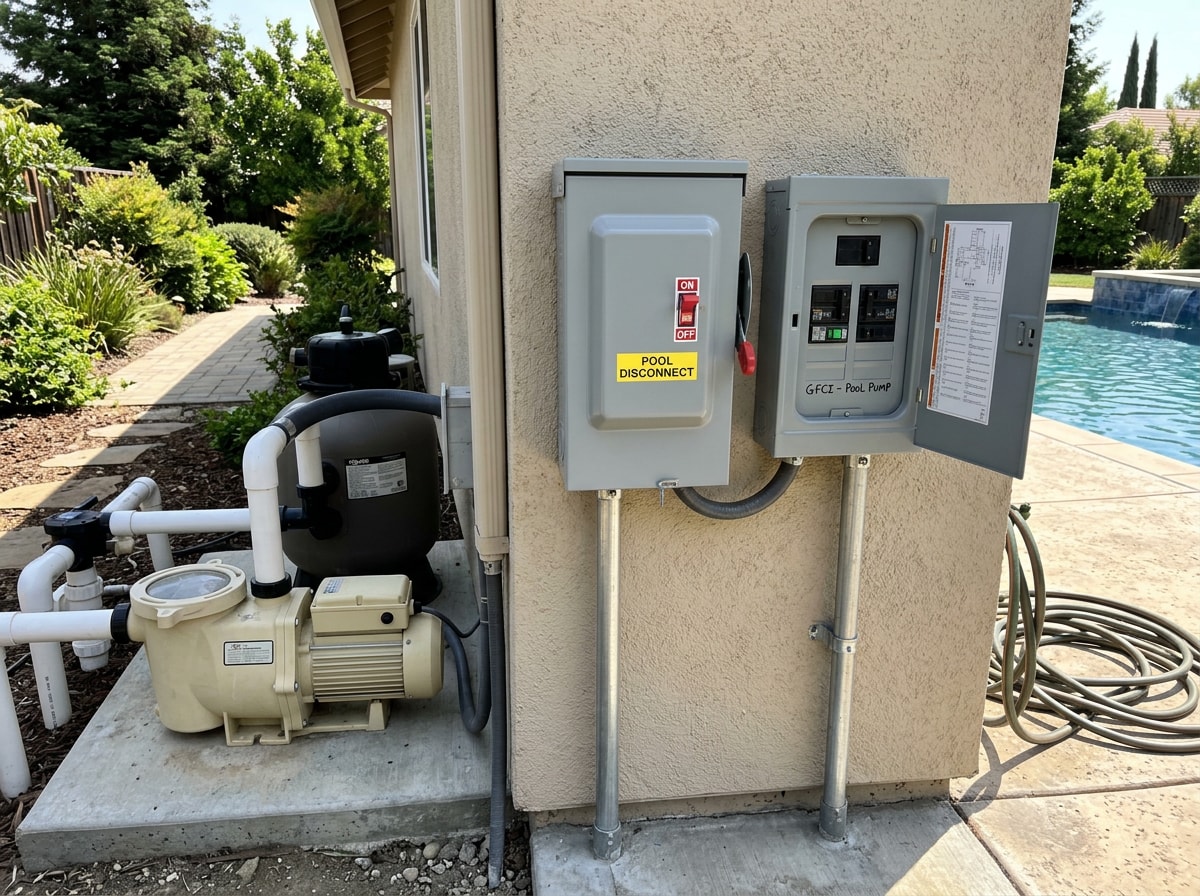
Pool and hot tub installs require dedicated 240V circuits, bonding, and GFCI protection to meet code. A properly wired disconnect, and in many cases a dedicated subpanel installation near the equipment pad, keeps water-adjacent electrical work safe through every season.
Signs Your Morris County Home Needs an Electrical Upgrade
Not every project starts with a renovation. Most start with one of these warning signs:
- Breakers trip repeatedly, especially when running two appliances at once
- Outlets feel warm to the touch or show scorch marks
- Lights flicker or dim when the AC or a large appliance kicks on
- Your panel is a Federal Pacific Stab-Lok or Zinsco brand
- You're adding a pool, EV charger, or home office and aren't sure the panel can take it
- Outlets are two-prong with no ground, common in pre-1970s construction
If any of these sound familiar, start with an electrical inspection rather than guessing. It's the cheapest way to find out whether you need a repair, a new circuit, or a full panel replacement. Outdated or damaged receptacles usually get flagged during that same visit, and our outlet and switch installation team can swap them out the same day in most cases.
How Modern Loads Are Changing Morris County Installations
Homes built in the 1960s through the 1980s often carry 60 to 100-amp panels. That was fine for that era's appliances, but it's undersized for today's loads. A single Level 2 EV charger pulls 16 to 80 amps on its own; add a heat pump and an induction range, and older wiring gets overwhelmed fast.
If your home has at least 200-Amps and two empty slots for a double-pole circuit breaker in your panel, you likely have capacity for a Level 2 charger. That's a useful first check before calling anyone out. A proper load calculation tallies existing circuits against planned additions before recommending a panel size, and it's one of the first things we run through an electrical upgrades consult for homes adding an EV charger alongside central air or an electric range.
In the field, the panels we replace most often in Morris County aren't the ones that have failed outright. They're the 100-amp panels from the 1970s that have quietly been running at capacity for a decade, with homeowners unaware until a renovation or a second EV forces the issue.
Licensed, Insured, and Local: What to Verify Before You Hire
Before hiring anyone for residential electrical installation, verify three things: an active New Jersey electrical contractor license, liability insurance, and a workmanship warranty. New Jersey licenses electrical contractors through its Board of Examiners of Electrical Contractors, and this board licenses and regulates electrical contractors, registers qualified journeyman electricians, and is responsible for granting exemptions from licensure to persons or businesses engaged in telecommunications wiring in New Jersey. You can confirm a license is current through the NJ Division of Consumer Affairs license verification system before a crew ever steps on your property.
A licensed, insured contractor protects you if something goes wrong mid-project. An experienced installer brings familiarity with Morris County's specific housing ages and the local code quirks inspectors in townships like Morristown or Parsippany tend to flag. We cover every municipality in the county; check our Morris County service area page to confirm coverage near you, and visit the electrician services page for the full list of residential and commercial work we handle.
Lighting is part of most installation projects too, whether it's recessed cans in a renovated kitchen or outdoor lighting installation along a new patio. We cover the specifics of fixture selection and placement in our lighting installation guide for Morris County homeowners.
24/7 Emergency Electrical Service in Morris County
Installation work is planned. Emergencies aren't. Sparking outlets, a burning smell, or a sudden power outage need an emergency electrician, not a scheduled appointment weeks out. Contact us any time, day or night, for urgent repairs, and visit our homepage to see the full range of residential and commercial services we run across northern New Jersey.
Ready to get started? Get a free estimate and we'll walk through your panel, your planned additions, and a realistic timeline before any work begins.
FAQ
Do you provide electrical installation services throughout all of Morris County?
Yes. We cover all of Morris County's townships and boroughs, from Morristown and Parsippany to Chatham, Randolph, and Denville. Check our Morris County service area page to confirm coverage near your address.
How do I know if I need an electrical panel upgrade?
Common warning signs include breakers that trip repeatedly, flickering lights, warm outlets, and a buzzing or humming panel. A Federal Pacific Stab-Lok or Zinsco panel is also a reason to upgrade regardless of symptoms, since both brands have documented safety issues.
Can an older home be retrofitted with a modern electrical system?
Yes. Retrofit work updates wiring and panels for a full electrical upgrade while preserving the structure, including homes with active knob-and-tube or aluminum wiring.
Do you install EV chargers in Morris County homes?
Yes. EV charger installation typically involves a dedicated 240V circuit sized to a Level 2 charger, with panel capacity and grounding checked before the charging station goes in.
Can you add circuits for high-demand appliances or a home office?
Yes. A dedicated circuit is standard for high-demand equipment like HVAC units, electric ranges, or a home office running multiple devices off one outlet.
Do I need a permit for residential electrical work in New Jersey?
Most panel upgrades, new circuits, and rewiring projects require a permit and inspection under the National Electrical Code as adopted locally. While the NEC is not itself a U.S. law, NEC use is commonly mandated by state or local law, and the authority having jurisdiction inspects for compliance with these minimum standards. A licensed contractor pulls the permit and schedules the inspection as part of the job.
How long does a typical panel upgrade take?
Most residential panel upgrades are completed in a single day, though the utility company's disconnect and reconnect schedule can add time. Larger service upgrades or jobs that require a permit inspection before the utility reconnects may run two to three days.