Searching for automotive electrical repair near me in Essex County, NJ usually starts the same way: the engine won't turn over, or the dashboard lights up like a slot machine. Before you call the first shop that comes up, it helps to know what's actually failing, because a dead battery, a tripped outlet in your garage, and a failing alternator are three different repairs with three different fixes. This guide covers the warning signs, the real cost drivers, and a problem most drivers never consider: sometimes the "car" issue is actually a house wiring issue.
Signs Your Vehicle Needs Automotive Electrical Repair in Essex County, NJ
Electrical problems rarely appear out of nowhere. They usually build for days or weeks before a full breakdown.
Watch for:
- Dimming or flickering headlights, especially at idle
- A lit battery or charging-system warning light
- Slow or clicking engine cranks
- A battery that won't hold a charge overnight
- Power windows, locks, or the radio cutting out unexpectedly
- A burning-plastic smell near the dashboard or engine bay
Catching these early usually means a simple fix. Ignoring them tends to end with a tow truck instead of a scheduled appointment.
What the Dashboard Is Actually Telling You
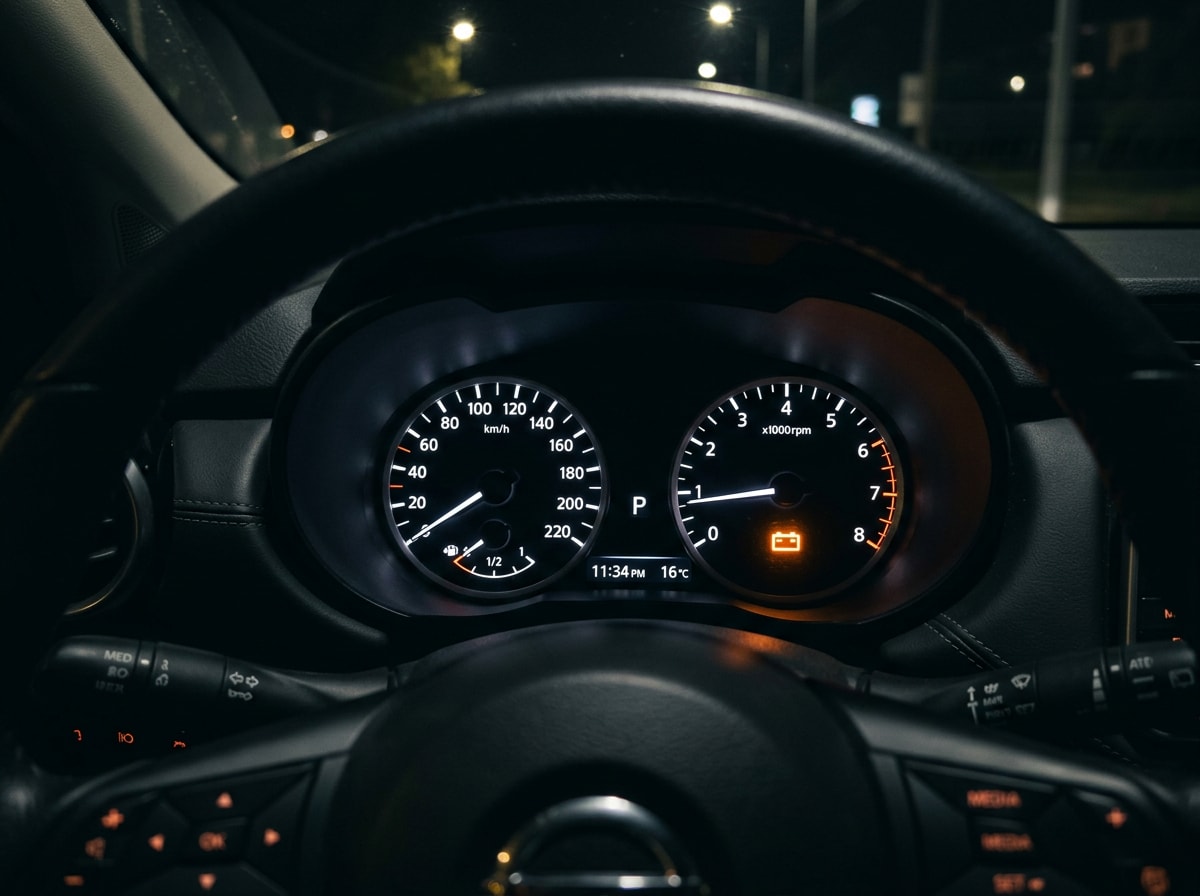
Dashboard telltales are color-coded for a reason. Sensors transmit information to an on-board processor that interprets the signals and warns the driver when a condition, like tire pressure, falls below the acceptable level . The same logic applies to the battery icon, which almost always points to a charging-system fault rather than the battery itself. A check engine light can mean anything from a loose sensor connector to a failing module, which is exactly why a scan tool, not a guess, should be the first step.
Is It the Car, or Is It the Garage?
This is the part most auto shops never mention, and it's where licensed electricians actually add value. A car that "won't charge overnight" or "keeps draining the battery" is sometimes a vehicle fault. It is sometimes a failing outlet, a tripped GFCI, or a loose neutral connection in the garage circuit the car is plugged into.
After wiring garages for EV chargers across Bloomfield, Montclair, Livingston, and West Orange, we've answered plenty of calls that started with "my car has an electrical problem" and ended with a corroded outlet or an undersized circuit, not the vehicle at all. If your charger trips a breaker, your garage outlet sparks, or your EV reports a "charging fault" even though the car checks out fine at the dealer, the circuit feeding it is worth a look before you spend more money chasing a car problem that isn't there.
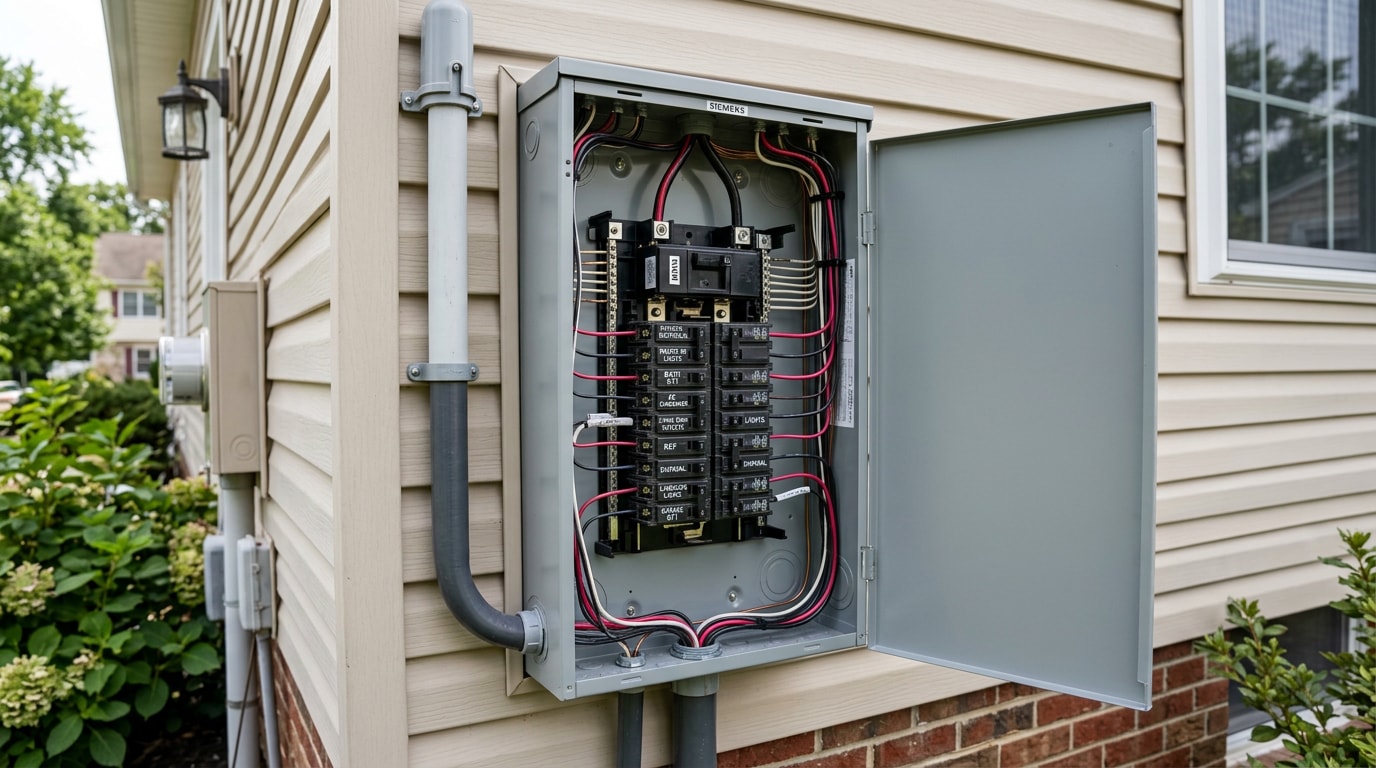
That's a job for a licensed electrician, not an automotive technician. An electrical inspection can confirm whether your garage wiring, outlet, or panel is the actual source of the trouble.
The Three Core Components of a Car's Electrical System
Every gas-powered vehicle's electrical system comes down to three parts:
| Component | What It Does | Common Failure Signs |
|---|---|---|
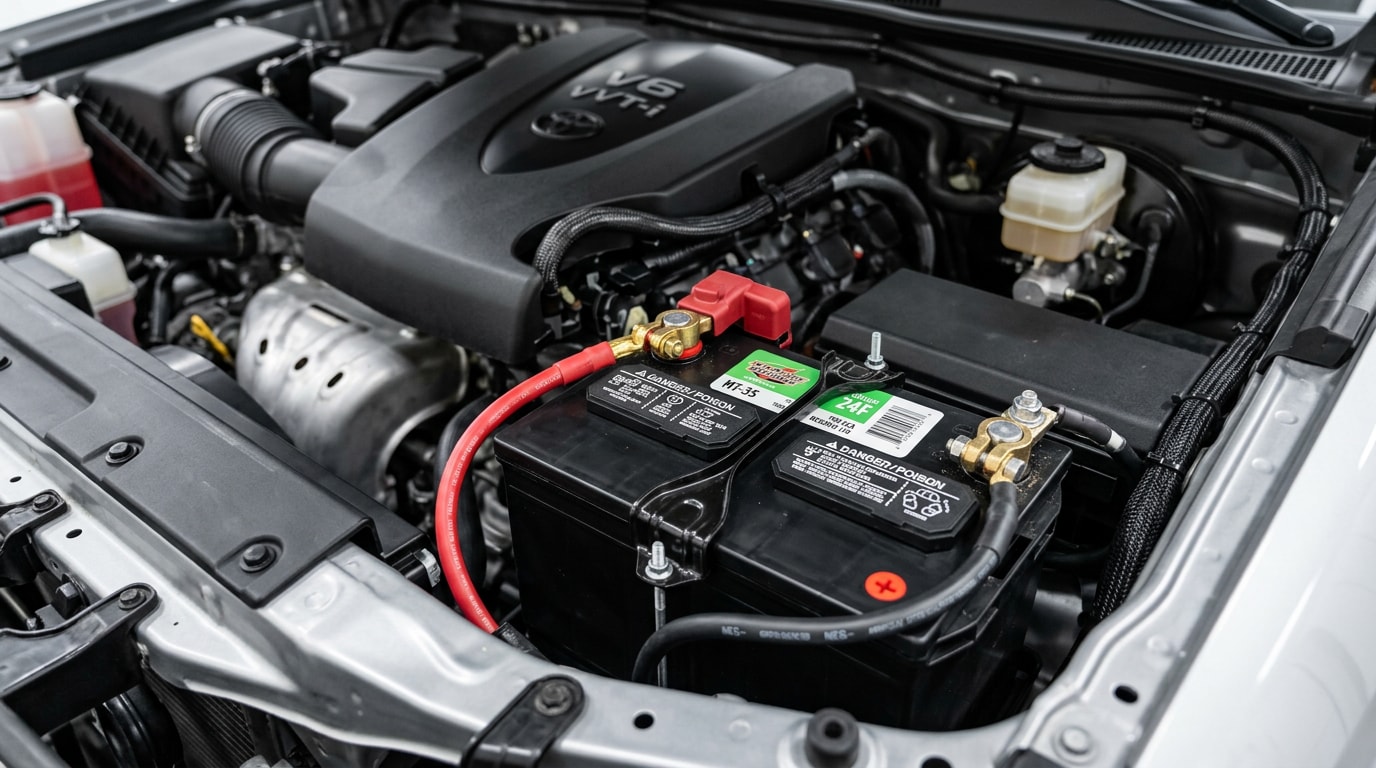
| Battery | Stores power and provides initial cranking current | Slow crank, dead battery, corroded terminals |
| Alternator | Recharges the battery and powers accessories while running | Dimming lights while driving, battery warning light |
| Starter | Turns the engine over to start it | Clicking sound, no crank at all |
A failure in any one of these can mimic the others, which is why a proper diagnosis checks all three instead of swapping parts and hoping.
Diagnostics: Finding the Actual Fault
Electrical faults can be elusive. A single bad connection can mimic a completely different problem, so real diagnostic work means tracing the circuit with a scan tool and a multimeter, not replacing parts in sequence. Fuses and relays are the cheapest components in the system and the first thing a good technician checks, since a blown fuse can look exactly like a much bigger failure.
| Repair Type | Typical Complexity | What Drives the Cost |
|---|---|---|
| Blown fuse or relay | Low | Part cost, short diagnostic time |
| Battery replacement | Low to moderate | Battery group size, cold-cranking amp rating |
| Alternator replacement | Moderate to high | Labor to access the unit, OEM vs. aftermarket part |
| Starter replacement | Moderate to high | Engine bay access, vehicle age |
| Wiring harness repair | Highly variable | Extent of damage, time to locate the fault |
Costs vary widely by shop and vehicle, so ask for a written diagnostic estimate before any repair begins.
EV and Hybrid Charging: Where the Work Changes Completely
2026 model-year vehicles have pushed this further than ever. All-electric vehicles, PHEVs, and HEVs have high-voltage electrical systems that typically range from 400 to 1,000 volts, with battery packs encased in sealed shells designed with insulated high-voltage lines and safety features that can deactivate or isolate the electrical system when they detect a collision or short circuit . That is a different discipline than 12-volt automotive troubleshooting, and it requires specialized training before anyone opens a high-voltage compartment.
What a licensed electrician handles on the home side is different, and it's where we come in: the dedicated circuit, panel capacity, and outlet your charger actually plugs into. Common requests we get from Essex County EV owners include:
- Electrical panel upgrades to support a Level 2 charger
- Subpanel installation for a detached garage
- New wiring installation to run a dedicated charging circuit
- Outlet and switch installation for a properly rated charging receptacle
If your vehicle itself needs high-voltage battery or motor work, that still belongs with a shop trained specifically in hybrid and EV propulsion systems.
Preventive Maintenance and Safe Jump-Starts
A few habits go a long way toward avoiding electrical trouble:
- Keep battery terminals clean, since corrosion is a leading cause of starting problems
- Turn off major electrical draws (AC, stereo, interior lights) before cranking the engine
- Never jump-start a swollen, cracked, or visibly damaged battery
Jump-starting carries real risk if it's done wrong. Explosive hydrogen, acidic liquids and vapors, electrical burns, and muscle strains and sprains can all arise when servicing, charging, or jumping the common lead-acid battery found in cars and trucks . Always follow the correct cable order from your owner's manual, and if the battery smells like rotten eggs or looks swollen, call a technician instead of connecting cables yourself.
When to Call an Electrician vs. an Auto Repair Shop in Essex County
Here's the honest breakdown:
Call an auto repair shop for: starter, alternator, battery, wiring harness, sensor, and in-vehicle electrical faults.
Call a licensed electrician for: garage outlets, EV charger circuits, panel capacity, subpanels, GFCI troubleshooting, and any wiring between your house and your vehicle's charging equipment.
If your garage or driveway lighting has also seen better days while you're at it, our lighting maintenance guide for Essex County covers what to check before winter. For anything tied to your home's electrical system, NJ Queue Electrical serves homeowners and businesses throughout Essex County, NJ. Get a free estimate if you suspect the fault is on the house side of the outlet, not under the hood.
FAQ
Why won't my car start?
A no-start usually traces back to one of three causes: a dead or weak battery, a failing alternator that can't keep the battery charged, or a worn starter motor. A proper diagnosis checks all three before assuming which one is at fault.
What are the main components of a car's electrical system?
The three primary components are the battery, alternator, and starter. A problem with any one of them can cause a no-start condition or a charging issue, which is why technicians check all three together instead of replacing parts one at a time.
How much does car electrical repair cost?
It depends entirely on the fault and the vehicle. Labor time to locate a wiring problem varies far more than parts cost does. A blown fuse is inexpensive; a wiring harness repair or alternator swap costs more because of labor and access. Always get a written diagnostic quote before repairs begin.
How do I know if my car has an electrical problem?
Watch for dimming or flickering lights, a slow crank, dashboard warning lights that won't clear, and accessories that cut out randomly. More than one of these at once usually means the problem is getting worse, not better.
Can a home electrical problem drain my car battery or stop my EV from charging?
Yes. A failing garage outlet, a tripped GFCI, or an undersized circuit can all look exactly like a vehicle fault. If your charger trips breakers or your EV reports a charging error the dealer can't reproduce, have the circuit checked before assuming the car is at fault.
Should I call an electrician or a mechanic for electrical problems in my car?
If the issue is inside the vehicle, like the battery, starter, alternator, or wiring harness, call an auto repair shop. If the issue is the outlet, circuit, or panel feeding your charger or block heater, call a licensed electrician.